

Introduction
More than just a natural sweetener, honey has long been valued in traditional and folk medicine. Its wide range of traditional uses and natural nutritional properties has made it a valued food for generations. Today, modern research also supports the benefits of honey, which is why more people are turning to naturally harvested honey for their daily wellness routines.
Its natural nutrients, enzymes, and medicinal properties, including antioxidant, anti-inflammatory, and antibacterial effects, make honey a superfood. From wound healing to digestion support to promoting overall wellness, honey has been used as both food and medicine.
Unlike regular processed honey, real wild honey offers the incredible benefits you never imagined. This guide will help you understand how honey benefits your health, the nutritional value of honey, different types of honey, the difference between raw honey and processed honey, and how to include honey in your daily diet.
- Introduction
- What is Honey?
- Nutrients in Honey:
- 20 Proven Benefits of Honey Backed by Science
- 1. Rich in Antioxidants:
- 2. Natural Energy Booster
- 3. Boosts immunity naturally
- 4. Supports Digestive Health
- 5. Supports Respiratory Health
- 6. Promotes Wound Healing
- 7. Improves Heart Health
- 8. Improves Skin Health
- 8. Improves Skin Health
- 9. Supports Weight Management
- 10. Blood sugar management
- 11. Anti-inflammatory effects
- 12. Anti- bacterial Properties of Honey
- 13. Helps Manage Cholesterol – How does honey benefit heart health?
- 14. Treats diarrhoea or dysentery
- 15. Honey for Fertility
- 16. Strengthens bones, joints, and ligaments
- 17. Improves stamina and fitness
- 18. Enhances scalp health and stimulates hair growth
- 19. Best for sinus and migraine headaches
- 20. Helps Support Joint Health in Arthritis
- Key Facts about Wild Forest Honey
- Light Honey vs Dark Honey
- Raw honey vs processed honey – Which is better?
- Side effects of honey
- Recommended amount of honey per day
- How to include honey in your daily diet?
- Why choose Wild Honey Hunters Honey?
- Frequently Asked Questions
- Conclusion
- Wild Honey Hunters
What is Honey?
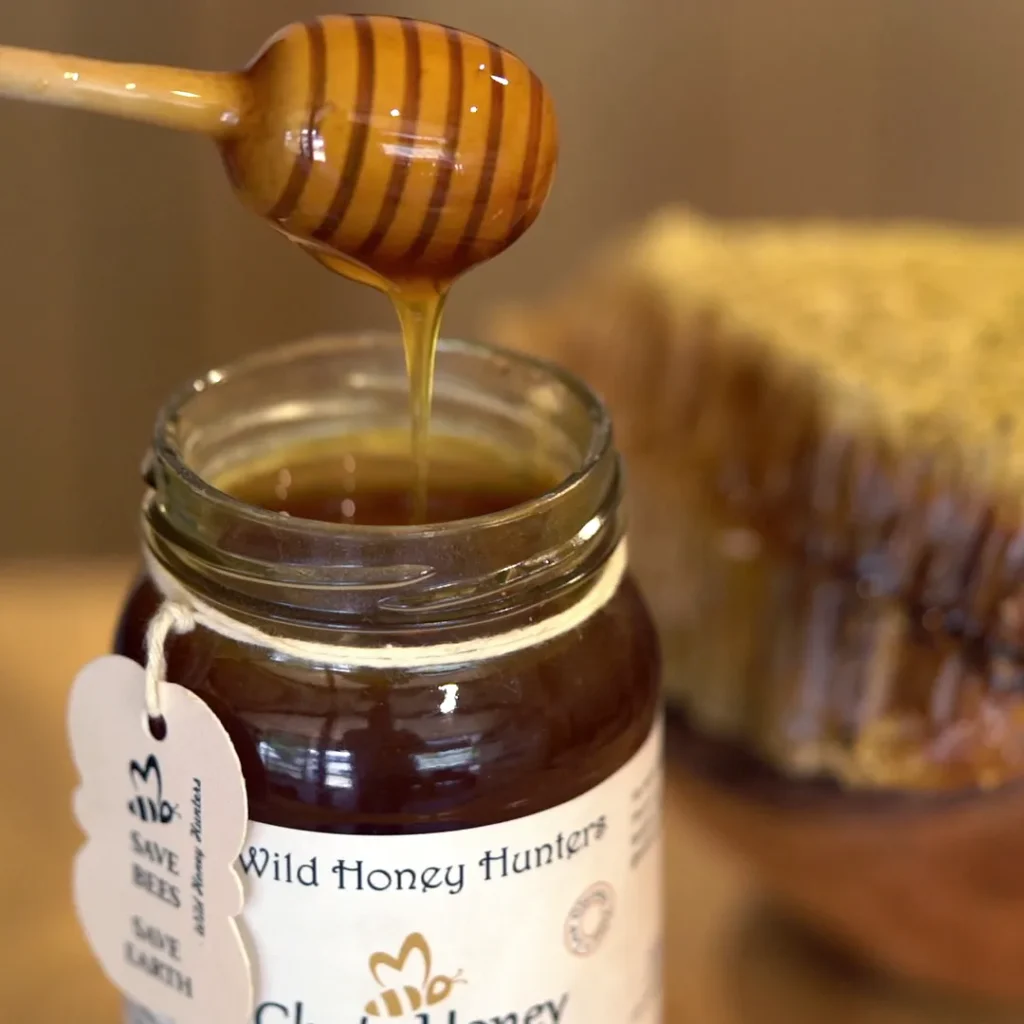
Everyone thinks honey is just a sweet food sourced by bees. But do you know what exactly honey is? More than just a sweet product, honey has been used for centuries in Ayurveda and siddha as a traditional remedy for various health issues. It has also been widely used in culinary preparations, religious rituals, and everyday wellness practices. Wild Honey is one of our traditional foods that was u sed by our grandparents.
Honey is known by various names in different languages, including Madhu, Then/Thene, Shahad, Thean, Tene, and Madu. This golden liquid is made by bees that collect nectar from various medicinal flowers.
Nutrients in Honey:
According to SFTS, the nutritional composition present in 100% raw wild honey is listed below.
| Nutrient | Amount per 100g |
|---|---|
| Fructose | 34.8g |
| Glucose | 37.0g |
| Sucrose | < 2.0g |
| Total Sugar | 72.0g |
| Carbohydrate | 80.06g |
| Energy | 325 kcal |
| Fat | < 0.5g |
| Fiber | < 0.5g |
| Protein | 0.478g |
| Moisture | 18.4g |
| Calcium | 84.5mg |
| Iron | 20.53mg |
| Potassium | 1067mg |
| Sodium | 1811mg |
| Phosphorus | 784mg |
Honey still contains natural sugars such as glucose, fructose, and sucrose. So, it is important to consume honey in moderation.
20 Proven Benefits of Honey Backed by Science
The one question people are still asking is “Is honey good for health?” So, here are the top 20 health benefits of honey you should know.
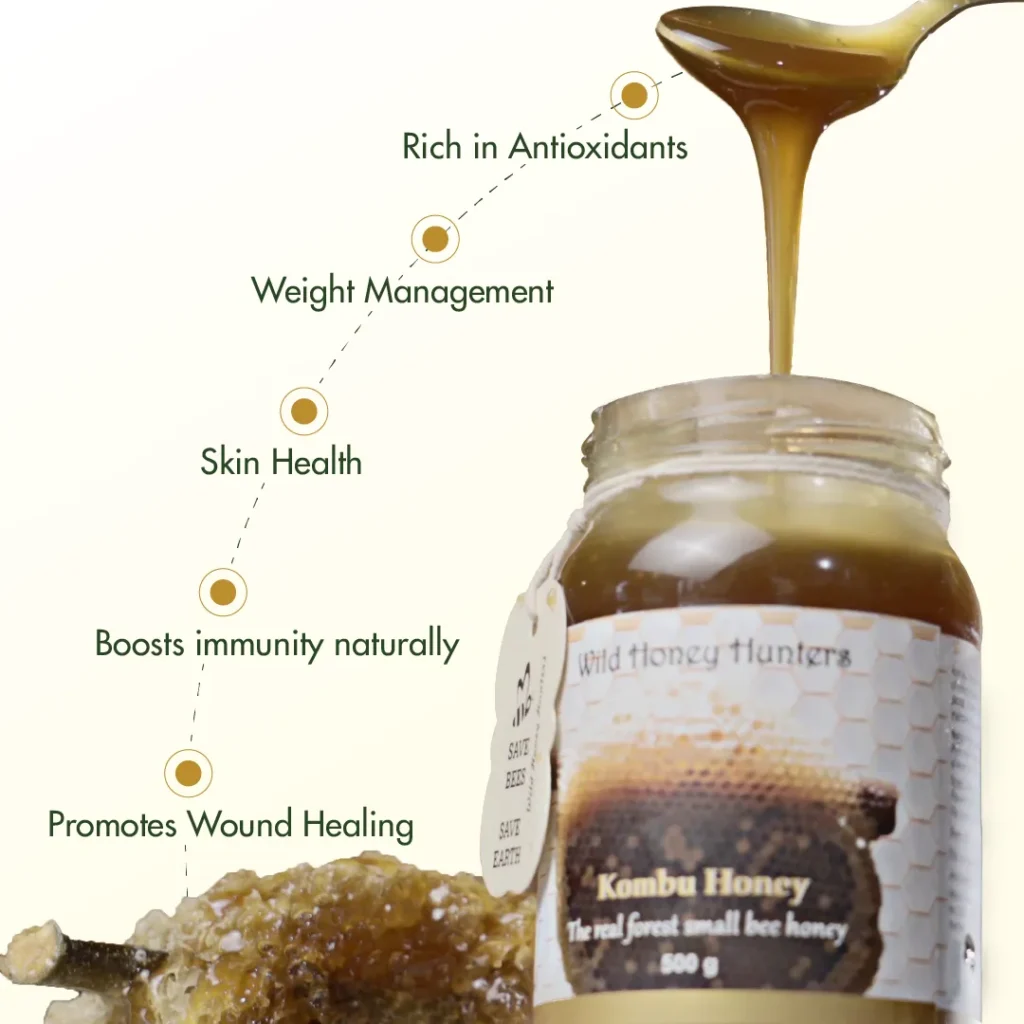
1. Rich in Antioxidants:
Raw honey contains plant-based bioactive compounds and potent Antioxidant properties, including flavonoids and polyphenols, that help protect the body from oxidative stress caused by free radicals. This is one of the main reasons honey is valued in traditional medicine.
The Antioxidant properties in honey may help,
- Reduce inflammation
- Fight against allergy
- Low Glycemic – Diabetic support
- Help support heart-related health concerns.
The research article “Honey as a Potential Natural Antioxidant Medicine “explains the powerful antioxidant properties of honey and its potential in supporting overall health and wellness.
2. Natural Energy Booster
Honey is one of the best natural sources for boosting energy. The natural sugars, such as glucose and fructose, provide a quick and sustained energy. Natural sugars in honey are absorbed gradually by the body without sudden sugar spikes.
A spoonful of honey in the morning helps,
- Reduce morning fatigue
- Supports Natural Energy
- Better Alternative to Refined Sugars
- Help boost Athletic performance and workouts
Drinking Honey with warm water and lemon as a simple morning drink keeps you fresh and active throughout the day.
3. Boosts immunity naturally
One of the main benefits of honey is its ability to boost immunity. Wild honey is rich in antioxidants, anti-inflammatory compounds, and natural enzymes that help boost immunity. Its antimicrobial and antiviral properties inhibit the growth of harmful bacteria, reduce inflammation, and support overall wellness by naturally enhancing immune function.
Unlike processed honey, raw wild honey is not heavily heated, which helps preserve its natural enzymes and nutrients. Consuming pure wild honey in its natural form provides better support for maintaining a healthy immune system.
Regular consumption of Pure Honey may help the body
- Fight common infections
- Support overall immunity
- Protect against oxidative stress
- Promote natural wellness and vitality
4. Supports Digestive Health
Honey has long been valued for its digestive support and traditional wellness benefits. It acts as a natural prebiotic, nourishing beneficial gut bacteria and microbes, such as Bifidobacteria and Lactobacillus, which are essential for maintaining gut health.
Additionally, honey contains natural enzymes that help support the breakdown of carbohydrates, proteins, and fats, aiding digestion and nutrient absorption. Its soothing and antimicrobial properties may also help support overall digestive comfort.
Regular consumption of pure honey may help:
- Support a healthy gut microbiome
- Ease indigestion and digestive discomfort
- Help calm acid reflux symptoms
- Fight harmful bacteria and reduce gut inflammation
- Support relief from gastric irritation and ulcer discomfort
When you experience acidity, uncomfortable bloating, or indigestion after meals, consuming raw honey can greatly benefit your gut health.
5. Supports Respiratory Health
Wild honey is a trusted natural remedy for colds, coughs, and sore throats. For generations, it has been used to soothe throat irritation and enhance respiratory comfort in adults and children over one year old.
Raw honey contains natural antibacterial and antifungal properties that may help fight microbes associated with throat infections and colds.
It’s thick, soothing texture,
- Helps coat the throat
- Reduce irritation
- Calm cough discomfort naturally
- Helps soothe sore throat and irritation
The World Health Organization has also recognized honey as a potentially valuable demulcent for relieving cough symptoms. Studies also suggest that it may provide soothing relief comparable to certain cough medicines.
Consuming pure honey with warm water, herbal drinks, or traditional remedies may help relieve respiratory discomfort and provide soothing support during seasonal illnesses.
6. Promotes Wound Healing
Wound healing is one of the key benefits of honey, and people have used it for generations. Its antibacterial and anti-inflammatory properties play a major role in healing wounds.
When applied topically, it creates a layer over the wounds and stops the entry of bacteria, while promoting wound healing.
How Does Honey Help in Wound Healing?
- It works with tissue regeneration and reduces swelling and pain
- Its smooth texture helps maintain a moist environment
- Help clean the dead tissue and keep the wound clean
A study on Honey in wound healing found that Honey is effective in curing a wide range of wound types, including trauma, burns, and surgical wounds.
7. Improves Heart Health
Honey may help support heart health through its natural antioxidants and beneficial plant compounds. Studies suggest that honey may help maintain healthy cholesterol levels, support balanced blood sugar levels, and protect the body from oxidative stress associated with heart-related conditions.
The antioxidants present in wild honey may help prevent the oxidation of LDL (bad) cholesterol, which is a key step in artery blockage. Research also suggests that honey may contribute to overall heart wellness when consumed as part of a balanced diet.
Honey may help support heart health through:
- Improving lipid metabolism
- Antioxidative activity that helps reduce oxidative stress
- Supporting healthy blood pressure regulation
- Helping maintain balanced cholesterol levels
However, honey is still a form of natural sugar, so it is important to consume it in moderation. Consuming one spoon of honey daily is generally safe for daily wellness.
8. Improves Skin Health
Honey has been used for generations in traditional skincare and natural wellness practices. Raw wild honey contains natural humectants, antioxidants, antibacterial properties, and beneficial plant compounds that help retain moisture in the skin, reduce dryness, and support healthy, clear-looking skin.
How does honey benefit your skin naturally?
- Helps fight acne-causing bacteria
- Helps reduce skin irritation and dryness
- Leaves the skin feeling soft and moisturized
- Supports a healthy, natural glow
- Helps calm minor redness
- May help reduce signs of skin aging
Applying pure honey as a face mask twice a week may help keep the skin fresh, hydrated, and naturally radiant.
8. Improves Skin Health
Honey has been used for generations in traditional skincare and natural wellness practices. Raw wild honey contains natural humectants, antioxidants, antibacterial properties, and beneficial plant compounds that help retain moisture in the skin, reduce dryness, and support healthy, clear-looking skin.
How does honey benefit your skin naturally?
- Helps fight acne-causing bacteria
- Helps reduce skin irritation and dryness
- Leaves the skin feeling soft and moisturized
- Supports a healthy, natural glow
- Helps calm minor redness
- May help reduce signs of skin aging
Applying pure honey as a face mask twice a week may help keep the skin fresh, hydrated, and naturally radiant.
9. Supports Weight Management
Honey is a natural sweetener that can be used as an alternative to refined sugar. Unlike processed sugar, natural honey contains beneficial enzymes, antioxidants, and trace nutrients that may help provide a steadier release of energy when consumed in moderation.
Its low glycemic index and traditional use in wellness routines have made honey a popular natural option for supporting healthy weight management along with a balanced diet and active lifestyle.
Consuming wild honey with warm water may help.
- Boosts metabolism
- Help reduce sugar cravings
- Improve digestion
- Support healthy weight management
A study published in “Role of Honey in Obesity Management” reported that honey showed potential benefits in obesity and metabolic health management, mainly due to its antioxidants and bioactive compounds.
Consuming raw honey with lemon in warm water on an empty stomach every morning helps stabilize your blood sugar levels, boosts metabolism, and keeps you active throughout the day.
10. Blood sugar management
Wild honey is generally safe for diabetes, but it is still a form of sugar containing glucose and fructose. So, it is important to consume it in moderation. Honey also contains carbohydrates and has a lower glycemic index than refined white sugar, but it can still raise blood sugar levels. Therefore, it is important to consume honey in moderation.
Raw, unprocessed honey contains natural enzymes, antioxidants, and trace minerals that may offer additional health benefits. In contrast, heavily processed honey can lose many of these beneficial compounds during heating and processing, making it act more like regular sugar in the body.
Studies suggest that honey is not a cure for diabetes. However, using raw honey in moderation may be a better alternative to refined sugar or processed honey.
If you choose to use honey as a sweetener:
- Choose raw, unprocessed honey with a lower glycaemic index
- Consume only small amounts, such as 1–2 teaspoons per day, and monitor your body’s response
- Do not skip medications while consuming honey
- Consult your doctor or healthcare professional before adding honey regularly to your diet.
💡 Looking for Pure Wild Honey?
Experience the natural goodness of forest-sourced honey, rich in antioxidants, natural nutrients, and medicinal benefits.
✅ 100% Raw & Unprocessed
✅ Hand Harvested From Deep Indian Forests
✅ No Added Sugar or Preservatives
11. Anti-inflammatory effects
Inflammation is the main factor in the development of many diseases, such as diabetes, heart disease, arthritis, and even nervous system disorders. Raw honey naturally contains flavonoids and polyphenols that may help protect cells from oxidative stress.
Honey can help the body control inflammation in two other ways.
- Honey’s natural compounds help cut off some inflammatory signals in the body that contribute to diseases.
- Honey supports wound healing and protection by encouraging the activity of beneficial inflammatory mediators.
A study published in the National Library of Medicine found that the anti-inflammatory properties of different honey varieties are mainly linked to their rich polyphenol content. Compared to other foods, honey contains higher levels of beneficial polyphenols. The preventive and protective actions of honey’s polyphenols help protect targeted tissues in the body by modulating inflammatory cytokine activity and help reduce the severity of chronic inflammatory conditions.
12. Anti- bacterial Properties of Honey
Honey has long been valued for its natural antibacterial properties. Its healing effect comes from its ability to fight harmful bacteria, maintain moisture in wounds, and create a protective layer that helps prevent infections.
The antimicrobial activity in most types of honey is mainly due to natural enzymes that produce hydrogen peroxide, which helps stop the growth of bacteria. Some non-peroxide honeys also show strong antibacterial effects because of their unique natural compounds.
A study on the antibacterial activity of honey has shown that honey has traditionally been used in the treatment of ulcers, bed sores, burns, and gastroenteritis.
Another study published in the National Library of Medicine investigated the antimycobacterial activity of honey against bacteria associated with Tuberculosis. The researchers found that mycobacteria did not grow in culture media containing 10% and 20% honey concentrations, while bacterial growth was observed in lower concentrations, such as 5%, 2.5%, and 1%. This suggests that honey is an effective antimicrobial agent.
13. Helps Manage Cholesterol – How does honey benefit heart health?
Honey can help manage cholesterol levels due to its antioxidants, enzymes, and plant compounds – when used as a replacement for refined sugar. Daily consumption of honey in moderate amounts may help improve lipid profile and reduce oxidative stress, which are important for heart health.
Daily consumption of natural honey may help,
- Support balanced cholesterol levels
- Help reduce LDL cholesterol
- Support healthy HDL cholesterol levels
- Improve overall heart health
- Reduce oxidative stress
A study published in the National Library of Medicine involving 370 participants found that natural honey consumption was associated with significant reductions in total cholesterol levels by 14.97 mg/dl, LDL (bad) cholesterol by 18.99 mg/dl, and triglyceride levels by 9.68 mg/dl. The study also found that honey helped increase HDL (good) cholesterol levels by 1.78 mg/dl.
14. Treats diarrhoea or dysentery
Honey is a potent natural remedy to help support recovery from diarrhoea due to its antimicrobial properties. Studies have shown that honey may help control or inhibit various bacteria, including E. coli, Shigella, and Listeria, as well as certain viruses such as herpes simplex, rubella, and herpes zoster.
Honey’s natural sugar content helps absorb the sodium and water content from the bowl, which leads to quick recovery. This natural substance makes it easier for both children and adults to consume.
A study published in the National Library of Medicine involved 80 children with acute diarrhoea. In the study, 40 children consumed honey along with zinc gluconate, while the other 40 consumed only zinc gluconate.
The children who had consumed honey with zinc gluconate experienced a shorter recovery time, vomiting, and diarrhoea duration compared to those who consumed only zinc gluconate. Also, it helped to gain weight during the recovery time.
15. Honey for Fertility
Honey may help support fertility in men and women by encouraging hormonal balance and healthy reproductive function. Raw forest honey contains antioxidants, enzymes, minerals, and vitamins that help improve sperm count and support overall vitality in men and women.
Traditional practices suggest that consuming honey with warm milk may help support sperm count, vitality, and healthy testosterone levels.
Additionally, the natural antioxidants present in honey may help reduce oxidative stress in the body, which helps to maintain healthy reproductive function.
16. Strengthens bones, joints, and ligaments
Honey contains natural antioxidants and anti-inflammatory compounds, especially polyphenols, which may help support bone, joint, and ligament health. Recent scientific studies suggest that these bioactive compounds can help reduce oxidative stress, support healthy bone remodelling processes, and may improve joint health.
Eating vitamin D-rich foods is important for maintaining strong bones and helping reduce the risk of osteoporosis. When taken with Wild Forest Honey, it may also help support the absorption of calcium from the foods we eat – contributing to bone strength and health.
A study published in the National Library of Medicine found that broiler chickens given 20 ml/L of honey in their drinking water showed increased calcium levels in the tibia bone. While these results are encouraging, further human studies are needed.
17. Improves stamina and fitness
Honey is a nutrient-rich natural food that can be consumed before or after exercise as a source of energy. Due to its natural carbohydrates and relatively lower glycemic response compared to refined sugar, honey provides both quick and sustained energy release.
Studies also suggest that natural honey may help support physical performance, reduce fatigue, and inflammatory responses in athletes.
Consuming one spoonful of honey 20–30 minutes before exercise helps provide a natural energy boost and support endurance during physical activity.
A study published in the National Library of Medicine compared athletes during a post-exercise rehydration and recovery period. One group consumed honey with fluids, while another group consumed plain water. During a second running session, the athletes who consumed honey were able to run significantly longer distances than those who drank only water. It shows that honey may support better recovery and sustained energy after exercise.
18. Enhances scalp health and stimulates hair growth
Wild honey has traditionally been used to support scalp health and hair care because of its natural humectant, antioxidant, and antimicrobial properties. Its moisturizing effects may help nourish the scalp, reduce dryness, and support a clean and healthy scalp environment.
Using wild honey on hair may help:
- Improve hair smoothness
- Reduce dryness
- Enhance natural shine
A study published on PubMed evaluated the effects of honey in patients with chronic seborrheic dermatitis and dandruff. Participants applied diluted crude honey to the affected areas every other day. The study reported that itching was relieved and scalp scaling disappeared within one week. Skin lesions healed completely within two weeks, and participants also experienced improvement in hair loss. Additionally, applying honey once a week helped prevent the condition from recurring.
19. Best for sinus and migraine headaches
Seasonal forest honey varieties such as Thumbai honey are traditionally used to support relief from sinus discomfort and headaches. Pure honey contains natural antimicrobial, anti-inflammatory, and antioxidant compounds that may help calm irritation, support respiratory health, and reduce inflammation, which is related to sinus.
Research on migraine headaches is still limited, but some studies suggest that honey may support sinus and allergy-related conditions. Its antimicrobial and anti-inflammatory properties may help support allergic nasal symptoms such as nasal blockage, nasal discharge, nasal itchiness, and sneezing, which can sometimes contribute to sinus pressure and headache discomfort.
A study published in the National Library of Medicine conducted research with 40 patients with nasal allergies. During the treatment, 40 patients consumed 1 g/kg of honey for 4 weeks. Another group consumed 10 mg of loratadine for 4 weeks. Results observed at week 8 showed that the group consuming honey experienced significant improvement in allergic nasal symptoms, including nasal blockage, nasal discharge, nasal itchiness, and sneezing. These findings suggest that honey may help support the management of allergic rhinitis compared to medications.
20. Helps Support Joint Health in Arthritis
Honey is not a proven medicine for treating arthritis, but its natural bioactive compounds, antioxidants, and anti-inflammatory properties may help support joint and cartilage health.
Research suggests that consuming honey may help:
- Reduce inflammation in the joints
- Support the natural balance of joint tissues
- Help protect articular cartilage
- Support joint comfort and mobility
- Potentially slows the progression of osteoarthritis
Some studies suggest that honey may act as a supportive therapy in osteoarthritis management due to its anti-inflammatory and protective properties. However, honey cannot cure arthritis, and researchers need more human clinical studies to confirm its potential benefits.
Key Facts about Wild Forest Honey
| Feature | Description |
| Source | Naturally produced by wild bees that collect nectar from forest medicinal flowers. |
| Region | Harvested from forests, rocks, hills, and cliffs, often by tribal honey hunters. |
| Colour | Naturally varies depending on the season and floral source. |
| Taste | Can be sweet, tangy, mildly bitter, or floral based on the nectar source. |
| Texture | Ranges from thin and smooth to thick and creamy depending on the honey variety and season. |
| Aroma | Strong, rich aroma that reflects the natural floral source of the honey. |
| Processing | Harvested directly from the forest, then minimally filtered and bottled to preserve natural properties. |
| Crystallization | A natural process and often a sign of pure, raw honey; it does not mean the honey is spoiled. |
| Adulteration | No added preservatives, artificial flavours, or sweeteners. Just pure wild honey as nature created |
| Preservation | Does not require refrigeration. Storing in a cool, dry place helps maintain quality for a long time. |
| Nutrients & Natural Properties | Contains natural enzymes, pollen, propolis, antioxidants, antibacterial compounds, and anti-inflammatory properties. |
Light Honey vs Dark Honey
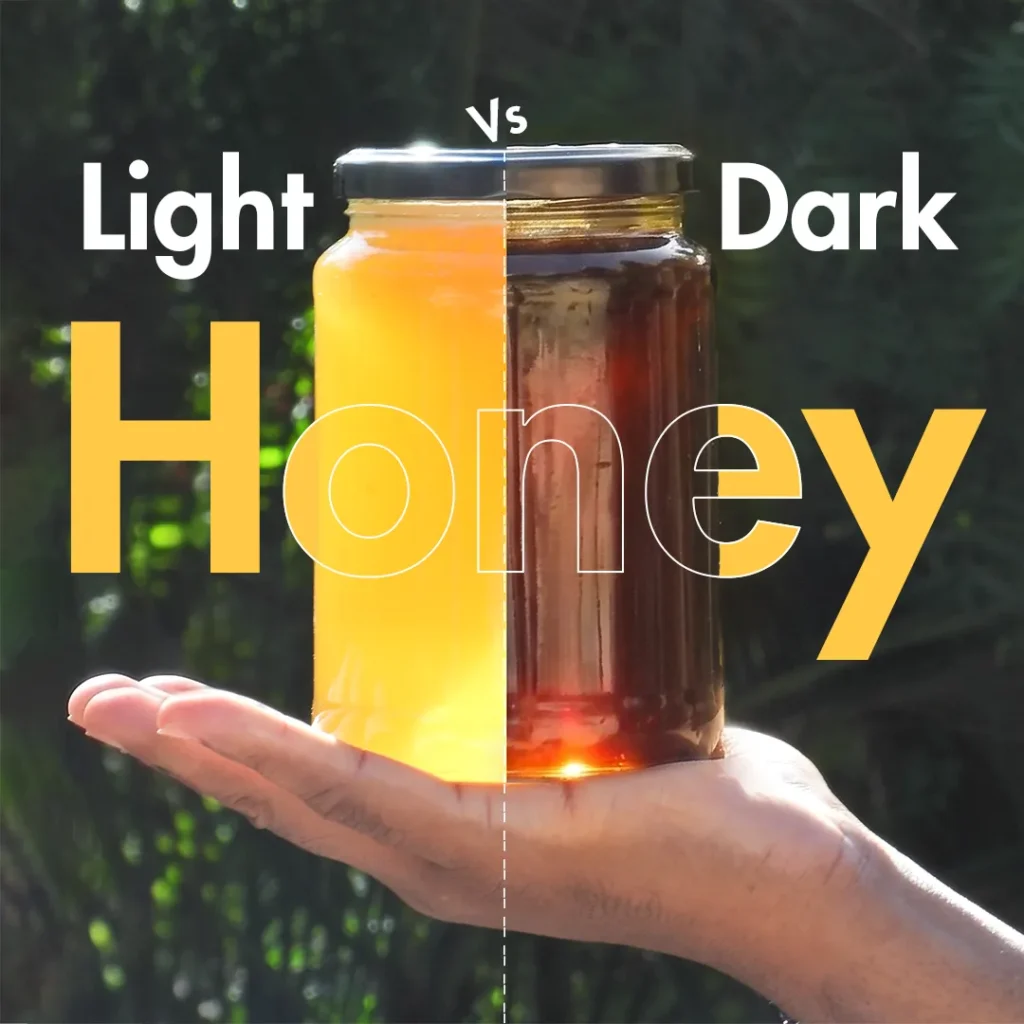
There are many types of honey around the world, and every honey has its own taste, texture, and flavor. But there are two main things people are thinking about, honey – is dark honey or light honey better?
The answer is that both honey are good. But studies say that darker honey contains higher antioxidant levels than light coloured honey. But every honey has its own medicinal properties used for various health benefits. So it doesn’t matter which colour the honey is. Consuming honey in moderate amounts along with a balanced diet helps support overall health and wellness. Here, we discuss some features of light honey vs dark honey.
| Feature | Light Honey | Dark Honey |
| Colour | Pale golden to light amber | Dark amber to brown |
| Taste | Mild, earthy, and floral | Stronger and richer |
| Aroma | Light floral aroma | Bold and earthy aroma |
| Texture | Usually lighter and smoother | Often thicker and creamy |
| Antioxidant Level | Generally contains lower antioxidant levels | contains higher antioxidant levels |
| Mineral Content | In smaller amounts | Often richer in minerals like iron, potassium, and magnesium |
| Floral Source | Commonly from mild flower nectars such as Thumbai and Eucalyptus | Often from forest, medicinal, or wildflower sources |
| Flavour Profile | Pleasant sweet and floral | Tangy and slightly bitter |
| Best Uses | Tea, desserts, baking, and warm recipes | Herbal drinks, traditional remedies, and wellness uses |
Raw honey vs processed honey – Which is better?
There is a reason why raw honey is better than processed honey. – The reason is processing. Raw honey naturally contains more nutrients, live enzymes, minerals, vitamins, and bioactive compounds than processed honey. Raw forest honey is not heated or heavily filtered like processed honey. Many processed honeys lose their natural nutrients, enzymes, and pollen while heating. So most people often preferred natural, unprocessed honey for their daily wellness routines.
Consuming raw honey in moderate amounts with your daily diet helps improve your overall health and wellness.
Side effects of honey

You may feel confused. Earlier, we discussed the health benefits of honey, and now we are talking about its side effects. How is that possible? Let me explain.
Honey offers many health benefits, but the quantity you consume matters. Consuming raw honey in moderate amounts is generally safe and won’t affect your health. But overconsumption may lead to certain health problems.
- Increased blood sugar levels, especially in people with diabetes
- Digestive issues such as bloating or stomach upset
- Allergic reactions in people sensitive to pollen or bee products
- Tooth decay or dental problems are due to the natural sugar content
Honey should not be given to infants under one year of age because it may cause infant botulism.
Recommended amount of honey per day
For Adults: 1 to 2 tablespoons of honey per day is generally safe
For People with Diabetes: Small amounts, such as 1 teaspoon to 1 tablespoon per day, are preferable. However, people with diabetes should consult their doctor or healthcare professional before regularly consuming honey
For Children: Honey should not be given to infants under 1 year of age due to the risk of infant botulism. For children above 1 year, small amounts in moderation are generally safe.
How to include honey in your daily diet?

- Use honey as a natural sweetener in your tea, coffee, and herbal drinks
- Take one spoonful of honey on an empty stomach to boost immunity and energy
- Add honey as a topping to nuts, seeds, yogurt, or fruit salads.
- Include honey in traditional wellness drinks such as warm water with honey and ginger, or honey with turmeric and black pepper.
- Use as a natural remedy, such as for digestion, drink it with warm water
- Add to smoothies, desserts, and cakes to enhance its flavour
Why choose Wild Honey Hunters Honey?
Wild Honey hunters offers raw, unprocessed honey sourced directly from forest regions by using traditional methods.
Our wild honey is,
- 100% Pure, Organic, and unprocessed
- No Heating or Processing involved
- No artificial blending, only filtered to remove impurities
- Retains more nutrients, natural enzymes, pollens, and antioxidants
- No Artificial sweeteners or additives added
Frequently Asked Questions
Conclusion
More than just a natural sweetener, honey has long been valued for its nutritional and traditional wellness benefits. Rich in natural enzymes, antioxidants, vitamins, minerals, and bioactive plant compounds, honey also contains antibacterial and anti-inflammatory properties that may help support overall health and wellness.
Raw, unprocessed honey can help boost immunity, support digestion, soothe a sore throat, and relieve a cough. Some studies also suggest that honey’s antioxidant properties may support heart health and help protect the body from oxidative stress. Honey is not a medicine or cure for all diseases, but honey can be used as a carrier to enhance the effectiveness of herbal remedies and formulations.
Here, we discussed the benefits of honey from both scientific and traditional medicine perspectives. However, consuming honey in excessive amounts may also lead to some side effects. Overconsumption can lead to health concerns such as increased sugar intake, digestive issues, and blood sugar spikes. Therefore, it is important to consume honey in moderation.
You can consume honey directly on an empty stomach, mix it with warm water, or combine it with traditional ingredients such as ginger, turmeric, and lemon based on your needs and wellness routine.
When you choose natural wild honey, you are not just choosing a natural product — you are also supporting traditional honey hunters and tribal communities who have preserved this ancient practice for generations.
Choose Raw. Choose Authentic. Choose Nature.
Want to enjoy the real health benefits of honey?
Choose pure raw forest honey collected from natural forest regions.
👉 Explore Our Pure Forest Honey Collection

Wild Honey Hunters
“Ghats Honey is a unit of Wild Honey Hunters, offering 100% natural wild honey with all nutrients intact. We specialize in pure forest honey sourced from different bee species and seasonal flowering regions. Our collection includes raw wild honey, stingless bee honey, and rare Kurinji honey, each unique to its natural nectar origin.”