Introduction
When it comes to raw honey vs regular honey, the confusion is real. On the outside, they may look similar, but what’s inside the jar can vary widely — from how producers source the honey to its nutritional value and authenticity. With so many brands making bold promises, knowing what truly sets them apart becomes crucial.
You have seen the claims. “100% pure.” “Raw.” “Unprocessed.” But when you’re standing in a store staring at five different honey jars — or shopping online — a very reasonable question forms in your mind:
Does wild honey actually make a difference, or is it just clever marketing?
So let’s break it down. Here are the most searched questions about wild honey — answered honestly.
- Introduction
- What is Raw wild honey, exactly?
- Is Raw honey healthier than store-bought honey?
- Does Raw honey taste different?
- Can people with diabetes consume honey?
- How do I know if honey is real or fake?
- Does wild honey expire?
- Is Raw wild honey safe for children?
- Where does Wild Honey Hunters source their honey?
- Which wild honey should I start with?
- Final Thoughts
What is Raw wild honey, exactly?
Wild honey is produced by bees that build their hives freely in forests, cliffsides, and tall trees. These bees collect nectar from seasonal wildflowers and medicinal forest plants, following nature’s own blooming cycles.
The result? Honey, whose taste, color, and aroma change naturally with every season and every forest — something a commercial jar can never replicate.
Is Raw honey healthier than store-bought honey?
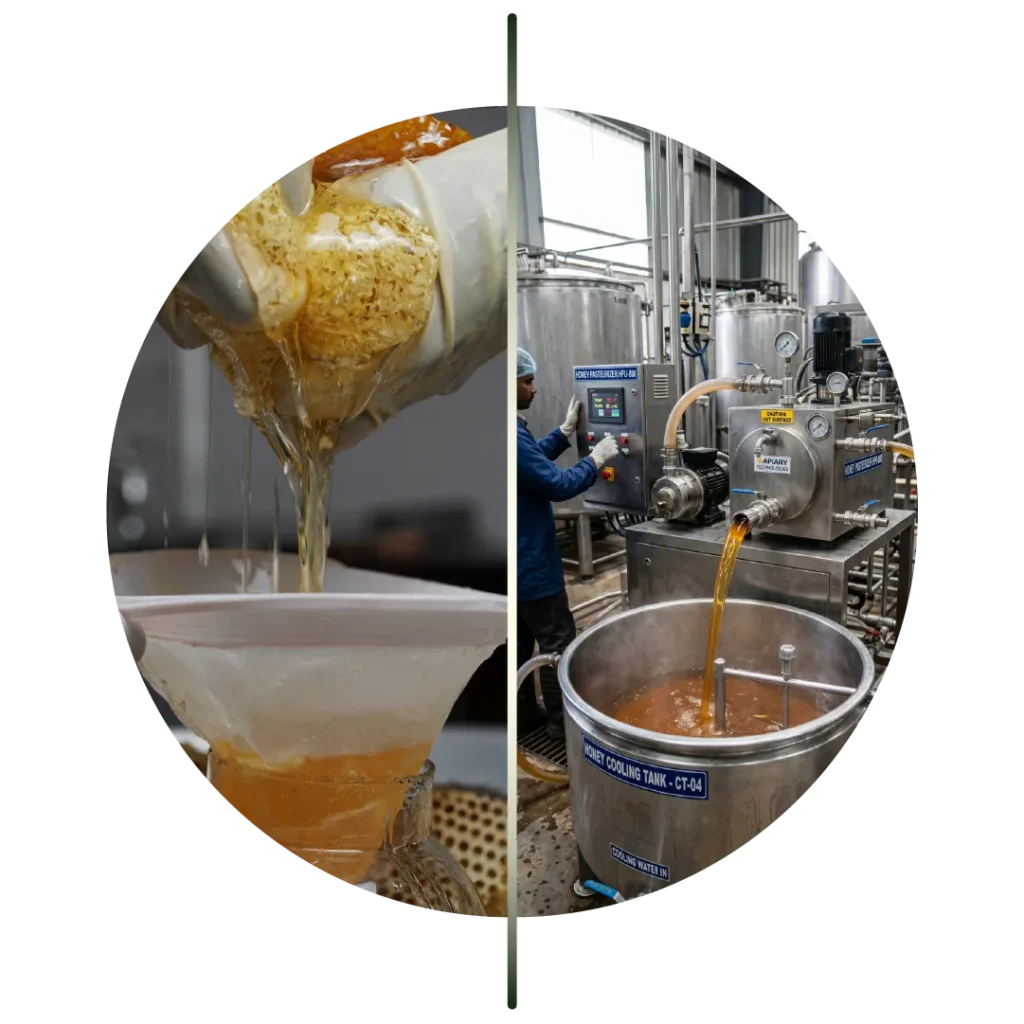
Yes — and here’s the key reason: processing
Most commercial honey is heated, filtered, and sometimes blended across batches. This strips out beneficial enzymes, antioxidants, and pollen. Wild honey, which is never heated or pasteurized, retains all its naturally occurring nutrients intact.
Think of it this way: store-bought honey is the packaged juice. Wild honey is the whole fruit.
Does Raw honey taste different?
Dramatically so — and that’s the point.
A Neem honey from Tamil Nadu looks darker, tastes sweeter, and is surprisingly bold. A Moringa honey is light and translucent with a rich sweetness. A rare Kurinji honey — harvested from flowers that bloom only once every 7 to 12 years — carries an aroma unlike anything else on earth.
What the bees forage on entirely shapes each variety. This is why serious honey lovers call it “terroir” — just like wine, where the environment, climate, and the flowers influence the final taste, texture, and aroma.
Can people with diabetes consume honey?
This is one of the most common questions we receive, and the honest answer is this: consuming raw honey in moderation may be a better option than refined sugar — but it is still a form of sugar and must be consumed carefully.
Raw wild honey has a lower glycemic index compared to processed honey and refined sugar, and its natural enzymes may support better absorption. However, anyone managing blood sugar levels should consult their doctor before making it a daily habit.
How do I know if honey is real or fake?
This is exactly the right question to ask when comparing raw honey vs regular honey. Here are three key things to look for:
Source transparency — Can the brand tell you which forest and which tribe collected it? Vague answers are a red flag.
No pasteurization — Real wild honey is never heated. If a brand mentions heating “for hygiene,” enzymes and beneficial properties are likely gone.
Seasonal variation — Pure wild honey changes with the season. If a brand sells the same product year-round with identical taste and color, it likely indicates blended commercial honey in disguise.
Does wild honey expire?
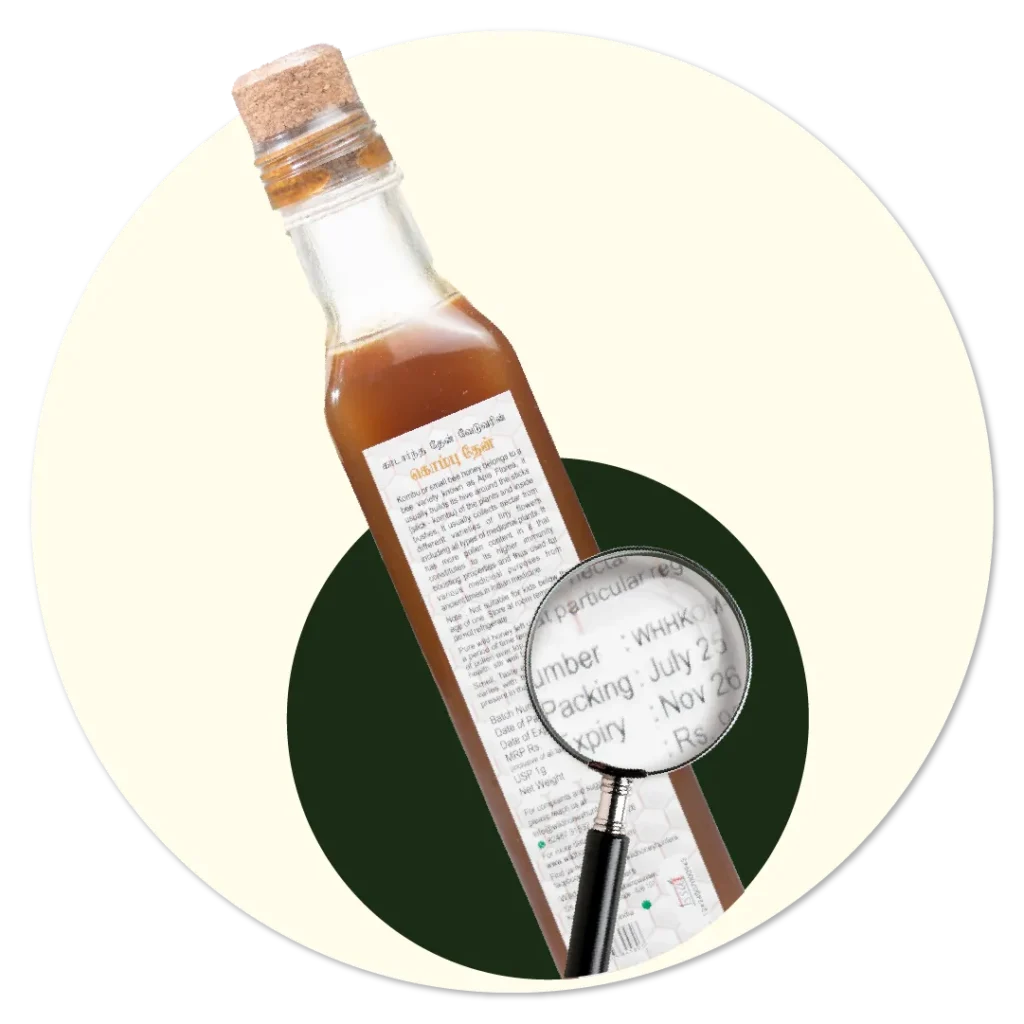
Properly stored wild honey does not spoil. Honey is one of the few foods archaeologists have found in ancient tombs — still edible thousands of years later.
That said, raw wild honey may crystallize over time. This is completely natural and a sign of purity — not a sign that it has gone bad. Simply place the jar in warm water to return it to liquid form. Never microwave it.
Is Raw wild honey safe for children?
You should not give wild honey — like any honey — to children under 1 year old due to the risk of infant botulism. For children above that age, people generally consider raw wild honey safe and traditionally use it in many Indian households as a natural remedy for coughs and colds.
Where does Wild Honey Hunters source their honey?
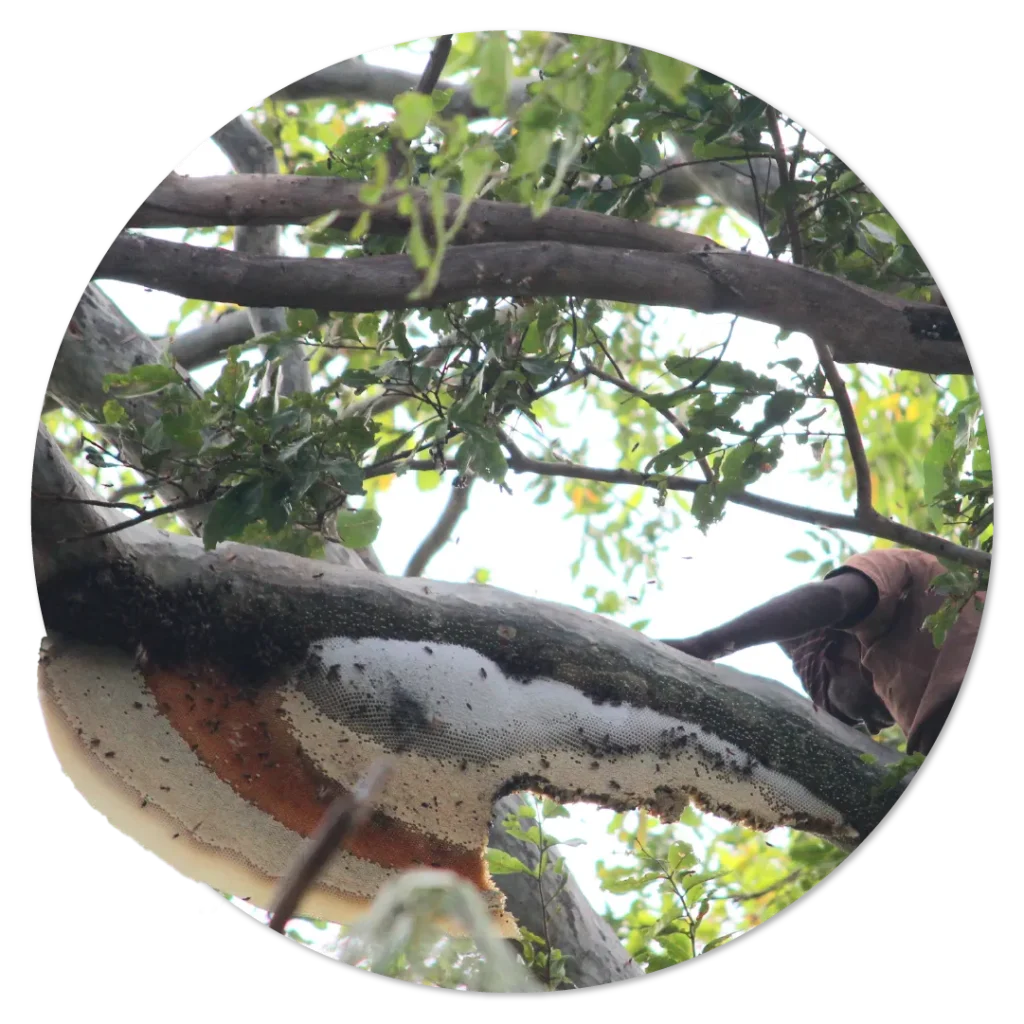
Wild Honey Hunters collects honey from the most interior, uninhabited parts of the Eastern and Western Ghats in India — using tribal gatherers who have practiced this craft across generations.
Every harvest is cruelty-free. Harvesters collect the honey without harming a single bee. They secure government permissions before entering protected areas like the BR Hills Tiger Reserve. They squeeze the honey directly from the comb and never blend it hive-to-hive — meaning every jar you receive offers a truly one-of-a-kind experience.
Which wild honey should I start with?
IIf it’s your first time, here’s a simple guide:
- For immunity & daily use → Ghats Multifloral Honey
- For respiratory relief → Kodaikanal Indampoo Honey
- For a bold, medicinal flavour → Neem Honey
- For something rare & gifting → Neela Kurinji Honey (blooms once in 12 years)
- For an anti-inflammatory boost → Ghats Honey with Turmeric & Black Pepper
Final Thoughts
Wild honey is not a trend. It is what honey has always been before industrialization changed the rules.
When you look at raw honey vs regular honey, the difference becomes clear. If you want honey that still carries the intelligence of an untouched forest — the nutrients, the enzymes, the story — then the answer to whether wild honey is better is simple: yes.