Introduction
If you thought honey was just honey, this article will change that entirely.
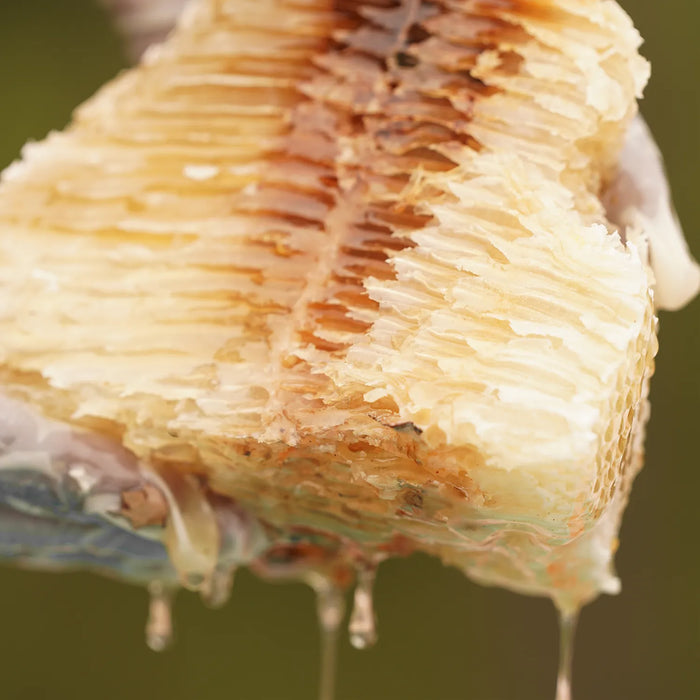
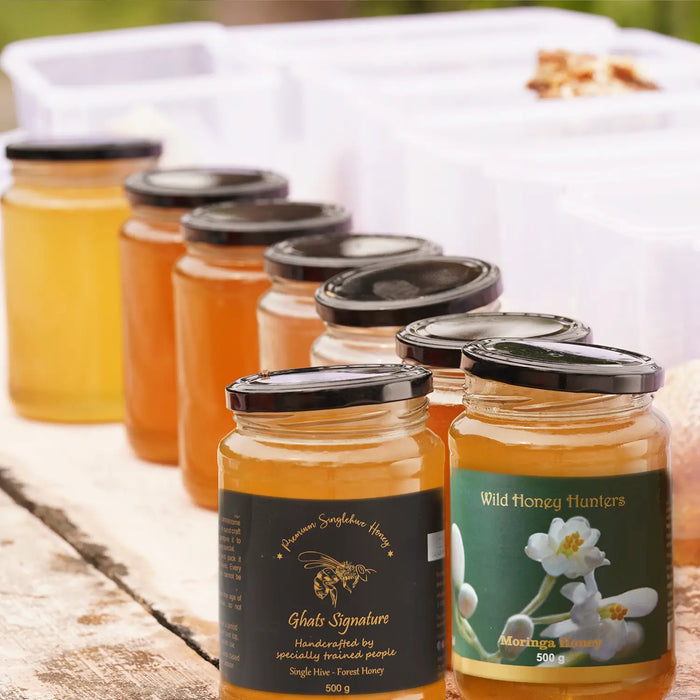
There are over three hundred types of honey in the world — India is one of the highest honey producer countries in the earth. And we have some of the rarest and most medicinal honey varieties in india. From wild forest honey harvested by tribal communities in the Ghats to single-flower honeys that bloom for just a few weeks a year, each type has a distinct taste, colour, nutritional profile and set of health properties.
Understanding the different types of honey helps you choose the right one for your specific health goal — whether that’s blood sugar management, immunity, cough relief, digestion or daily energy.
This guide covers 15 honey varieties — including the rare wild forest honeys of India that most people have never heard of.
What Makes Each Types of Honey Different?

Before exploring the varieties, here we understand why honey differ so much from each other.
Every honey gets its character from two sources: the flowers where the bees collect nectar from, and how the honey is processed (or not processed) after harvest. The honey properties change based on:
- Flower source — From what flowers the bees collect nectar from decides the taste, colour, sugar composition and medicinal properties
- Geography and altitude — honey from high-altitude forests has different flora and therefore has different properties than plains honey
- Processing — raw, unheated honey retains live enzymes, propolis, pollen and antibacterial compounds. Processed honey loses all of these
- Season — bees collect nectar on different flowers in different seasons, making the same hive produce different honey at different times of year
This is why the use of honey is not one-size-fits-all. A diabetic person should not use the same honey as someone using it for energy. A person treating cough needs a different variety than someone using honey for skin health.
19 Types of Honey — Complete Guide

Here are 19 of the most significant honey varieties available in India, ranging from common to extremely rare:
Kombu Honey or Small Bee Honey
Kombu honey is produced by Apis florea — the small bee native to the Indian subcontinent. These bees mainly collect nectar from the small medicinal plants, because of his small size and build hives on tree branches, or bushes. The size of its comb is small, but the medicinal properties of kombu honey is truly unbelievable. It contains more propolis and pollen along with plant compounds.
The honey color ranges from light to dark brown with rich thick consistency and has a delicate, floral taste. It is particularly rich in antioxidants and polyphenols with low glycemic index, making it popular among health-conscious consumers.
Benefits of Kombu Honey:
- Naturally boosts Immunity
- Rich in Antioxidant
- Helps in Weight Management
- Promotes Skin Health
Who can use Kombu Honey?
- Those who want to build immunity naturally
- Individuals seeking natural food to weight management
- People looking to maintain healthy skin
How to Use Kombu Honey?
Take 1 spoon kombu honey in every morning or use it with warm milk, tea, or herbal drink.
Multi Flower Honey
The name it self tells the character of honey – Millions of Flowers Honey. Bees collect nectar from millions of flowers in a region during a particular season. Collected from the dense forest regions of Western Ghats. The color, taste and texture of honey changes in every season based on the bees that collect from. Rich in natural enzymes and microbes.
Benefits of Multi Flower Honey:
- Help support heart health
- Reduce oxidative stress
- Fights acidity related issues
Who can use Multi Flower Honey?
- People with acidity related issues
- Those want support for healthy heart
- Anyone want to maintain oxidative stress
Cavity Honey (Cavity Honey)
Cavity honey or layered honey also known as adukku thean in Tamil is harvested by the bees called Apis Cerena. These build hives inside the natural termite mount cavities in dry forest areas, because to protect hives from hives weather and predators. The result is a darker, more concentrated honey with particularly high enzyme and propolis content. This honey is highly valued in traditional and folk medicine
Benefits of Cavity Honey
- Naturally boosts overall immunity
- Helps support fertility issues in both genders
- Improves libido for both genders
- Who can consume Cavity Honey?
- People with fertility issues
- Those want to boost immunity and vitality
- Those want natural energy and libido enhancement
How to Use Cavity Honey?
Take 1 spoon of cavity honey with warm milk to boost overall immunity and vitality.
Neem Honey
Neem honey is harvested when bees gather nectar primarily on neem tree flowers during the neem flowering season of March and April. The bioactive compounds from neem — including nimbidin, nimbin and azadirachtin — transfer into the honey through the nectar, giving it powerful antibacterial, antidiabetic and liver-supporting properties.
Many people think neem honey tastes bitter, because it comes from neem flower. But the truth is neem honey never tastes bitter more than it has a pleasant sweet taste that everyone likes. Its color changes from light to dark, but the nutrients in the honey never fade.
Benefits of Neem Honey
- Remove unwanted toxins from the body and purifies the blood
- Treat allergy conditions
- Help maintain healthier skin
Who can consume Neem Honey?
- Those want to maintain Blood pressure
- People want to maintain healthy, radiant skin
- Individuals with allergy conditions
How to Use Neem Honey?
Use neem honey as a natural sweetener and apply as a face mask to make skin smooth and refresh.
Moringa Honey
Moringa honey is produced by bees gather nectar from Moringa oleifera (drumstick tree) flowers during their bloom season. Moringa is one of the most nutritionally dense plants in the world — its flowers pass their iron, calcium, Vitamin C and anti-inflammatory compounds into the resulting honey. It colors turns from transparent gold to opaque brown.
This makes moringa honey particularly popular among people looking for iron supplementation, daily energy support and anti-inflammatory benefits.
Benefits of Neem Honey
- Supports fertility in both genders
- Increase calcium levels to strengthen bones
- Help treat arthritis and rheumatism
Who can consume Moringa Honey?
- Best for people with Iron deficiency
- People want to increase energy levels
- People with Fertility issues
Kurinji Honey — Once in 12 Years
Kurinji honey is produced from the nectar of Neelakurinji flowers (Strobilanthes kunthianus) which bloom only once every 12 years in the Nilgiri Hills. When they bloom, the hillsides turn purple with flowers and bees produce a honey unlike anything available at any other time.
The honey comes with a distinct greenish-yellow color that gradually darkens over time and has a very unique taste.
Benefits of Kurinji Honey
- Naturally manage High Bp
- Help maintain hormonal balance
- Strengthens overall immune system
Who can Consume Kurinji Honey?
- Those want to maintain healthy BP levels
- Anyone wants to strengthen immune system
- People want to balance hormones
💡 Want to Experience the taste of different Types of Honey?
Explore the 19 unique varieties of wild forest honey sourced directly from the deep forest regions in India.
- 100% raw and unprocesed
- No Artifical falvours are added
- Naturally rich in nutrients and antioxidants
Thumbai Honey
Thumbai honey is another highly medicinal honey from the land of South India. Thumbai honey is sourced from the nectar of thumbai flowers during the flowering season of thumbai plants. As like the thumbai plant, and flowers the honey equally has more medicinal benefits. It is the best seasonal forest honey that helps to treat cold, dry cough, sour throat and migraine headache. A simple natural remedy for seasonal illness and daily use.
Benefits of Thumbai Poo Honey
- Help Relief cold, dry cough and sour throat
- Help treat sinus and migraine headache
- Best for a child’s seasonal illness
Who can consume Thumbai Honey?
- Those who want relief from the cold, dry cough and sour throat
- People who want a natural support for sinus and headaches
- Parents to support their children’s health during seasonal illness
How to Use Thumbai Honey?
Mix Thumbai poi honey with warm water to get relief from cold and cough and sour throat
Give 1 spoon of honey to children before bed to reduce night time cough
Note: Do not give honey to children under 1 year
Mix honey in warm water not hot
Paalai poo Honey
Paalai poo honey is sourced from the nectar of paalai flowers during its blooming season. This is one the tastiest seasonal honey variety that everyone likes, especially children like its golden yellowish color, rich smooth texture and fruity aroma and taste. It traditionally used to support digestion, and help treat diarrhea and dysentery.
Benefits of Paalai poo Honey
- Improves digestion in children and Adults
- Help Treat diarrhea and dysentery
- Enhance daily Energy and immunity
Who can consume Paalai Poo Honey?
- Adults and children with digestion issues
- Those want natural immune boosting food
- People want support to treat diarrhea
How to Use Paalai Poo Honey?
Consume one spoon before meals to simplify digestion and support gut function.
Karung Kurinji Honey
Like Neela Kurinji Honey, Karung Kurinji honey is one of the rarest types of honey in india sourced from the nectar of karung kurinji flowers that blooms every 7 years once over different time period in different mount ranges. It comes with golden brown color and smooth texture and has high medicinal properties.
Benefits of Karung Kurinji Honey
- Help support blood purification and manage high BP
- Help manage hormones and improve overall wellness
- Strengthens overall immune system
Who can consume Karung Kurinji Honey?
- People seeking a natural support to treat High Bp
- Those with hormonal imbalance and needs immunity
- Wellness seeker looking for natural superfood
How to Use Karung Kurinji Honey?
Take 1 spoon of karung kurinji honey in morning on empty stomach to support overall wellness and immunity.
Jamun Honey
A highly recommended honey for people with diabetes. Because jamun honey is the only honey has a unique bitter sweet taste than any other honey. Bees collect nectar mainly from jamun flowers to make this honey. It is particularly helpful in managing blood sugar levels and it also has vitamins, minerals and astringent properties – which help to treat skin related issues.
Benefits of jamun honey
- Improves hemoglobin levels in body
- Keeps oily skin fresh and acne free
- Supports healthy digestion
Who can consume Jamun honey?
- People with diabetes – To manage healthy blood sugar levels
- Those want natural remedy to maintain skin health
- Anyone wants to increase hemoglobin levels
How to Use Jamun Honey?
Regular intake of jamun honey naturally increase hemoglobin levels and supports healthy blood sugar levels.
Note: People with diabetes must consume honey in moderate amounts and consult your doctor before using honey.
Eucalyptus Honey
Eucalyptus honey is sourced from the nectar of medicinal eucalyptus flowers during the blooming season. Its Anti-inflammatory and antimicrobial properties help relief from respiratory issues such as cough, sinus and sour throat. Moreover, its antioxidant properties and plant compounds protect cells from damages and oxidative stress, that keeps you young and glowing.
Benefits of Eucalyptus Honey
- Help treat dry cough, sour throat and cold
- Reduce oxidative stress and keeps you young and glowing
- Protect cells from damage
How to Use?
- Drink with teas or kadhas for natural sweetness
- Take one spoon before bed during cough/cold
- Mix with warm water for sour throat relief
Mudakathan Honey
Mudakathan Honey, harvested during the Balloon Vine (Mudakathan) plant’s flowering season. It comes with golden brown color and unique flavor. Its rich iron and calcium levels, making it ideal for strengthening bones, joints and ligaments. Perfect for everyone and best for everyday use.
Benefits of Mudakathan Honey
- Rich iron and calcium levels
- Help strengthens bones, joints and ligaments
- Improves stamina and fitness
Who can consume Mudakathan Honey?
- People with iron and calcium deficiency
- Those want to strengthen bones, joints and ligaments
- Athletes want to improve stamina and fitness
How to Use?
- Use as a pre or post workout food for natural energy boost
- Include in home remedies for cough, cold, and sore throat
- Mix 1-2 teaspoon in warm water for daily immunity
Iluppai poo honey
Mahua honey, also known as Iluppai Poo Honey, is collected by bees from the nectar of Mahua flowers during the blooming season. In ancient Ayurveda and Siddha medicine, every part of the Mahua Tree (Madhuca longifolia) — including its flowers, seeds, bark, leaves, and honey — has been valued for its medicinal properties and traditional wellness uses. The mahua honey particularly valued for its natural antibacterial, antioxidant properties supports digestion, immunity and overall wellness.
Benefits of Iluppai Poo Honey
- Naturally boosts immunity and supports digestion
- Help support skin, joint and respiratory health
- Enhances scalp health and promotes hair growth
Who can consume Iluppai Poo Honey?
- People with digestion issues and want to boost immunity
- Individuals having joint discomfort and respiratory issues
- Anyone seeking a natural remedy that may help promotes hair growth
How to Use?
- Add with warm milk for respiratory relief
- 1 teaspoon on empty stomach for daily wellness
- Apply as a natural facemask for skin clear looking skin
Indam Poo Honey
This honey is harvested during the annual flowering season of Indam Poo flowers, while the flowers blooms it creates a wonderful white carpet effect. This is a perfect honey for health enthusiasts and wellness seekers. Its rich antioxidant and immune boosting properties promotes overall health and wellness. It also supports relief from threat infections and respiratory issues.
Benefits of Indam Poo Honey
- Promotes overall health and wellness
- Help provide relief from throat infections and respiratory issues
- Best for health conscious and wellness seekers
How to Use?
- Add a spoonful to warm water, teas or smoothies for morning energy boost
- Use as a toping in bread, fruits, or oatmeal for a healthy dish
- Use with lemon and ginger for throat infections
Sidr Honey
Sidr honey is produced by bees that collect nectar exclusively on Sidr tree (Ziziphus spina-christi) flowers during their brief annual bloom. Sidr trees flower for only 2–3 weeks per year, making this honey extremely seasonal and limited in quantity.
Sidr honey is thick, dark golden in color and has one of the highest antioxidant profiles of any honey variety. It is particularly valued in traditional medicine for liver health, ulcers, and acid reflux
Benefits of Sidr Honey
- Help prevent ulcers and acid reflux
- Reduces the risk of heart disease
- Enhances Fertility in Both Genders
How to Use?
- Consume before bed to sooths throat infections
- Use with fertility supporting foods
- Take before workout for natural energy
BR Hills Honey
This rare honey is harvested from the Billigiriranga (BR) Hills – A tiger reserve forest in south India. It is a real wild honey untouched by humans, and chemicals. Bees creates this unique honey for particular season and makes it popular among all other honey varieties. This forest honey is different from regular honey, it has a deep earthy flavor, with gentle sweetness.
Benefits of BR Hills Honey
- Boosts immunity
- Supports digestion
- Help reduce oxidative stress and supports heart health
- Provides natural nutrients to body
Who can consume BR Hills Honey?
- Natural food lovers seeking for original wild honey
- Anyone looking to boosts immunity
- Fitness and wellness conscious people
How to Use?
- 1 teaspoon on empty stomach
- Mix with warm water or milk
- Use with natural remedies
Nagaland Honey
Sourced from the dense rain forest of Nagaland hills – one of the oldest mountain ranges of Himalayas. This rare wild honey is filled with many medicinal herbs and plants. It plays an important role in the traditional practices of forest communities. It is untouched, unprocessed and contains various medicinal benefits. The only honey with full of medicinal properties and vital nutrients. It comes with dark brown color, thick texture and earthy flavor – this changes on season based on the nectar of flowers present in the particular region.
Benefits of Nagaland Honey
- Rich in natural nutrients and medicinal herbs, plants nectar
- Boosts overall immunity and wellness
- Contains vitamins, minerals and antioxidants
Who can consume Nagaland Honey?
- Those want to experience a rare medicinal honey
- Perfect for individuals seeking natural immune boosting honey
- Those want to increase vitamins, minerals and nutrients in body
How to Use?
- Use with tea, drinks or warm water
- Use with natural ingredients like ginger, lemon or turmeric
- Consume 1 spoon every day for natural energy and promote wellness
Stingless Bee Honey
Stingless bee honey also known as “Mother of Medicine“ is one of the rarest and most medicinally potent types of honey in the world. Produced by tiny stingless bees (Meliponini species), this honey is darker and thicker in consistency, more acidic, and carries a unique sour – sweet taste.
Used in Ayurveda and Siddha medicine for over 3,000 years, stingless bee honey has been traditionally used for eye health, wound healing, diabetes management and respiratory conditions. Modern research confirms its significantly higher antibacterial activity compared to regular honey.
A Research Publised on National library of Medicine found that the stingless bee honey help slow down the digestive enzymes such as α-amylase and α-glucosidase – responsible for breaking down carbohydrates into sugar. When the enzymes works slowly it gradually release the blood sugar into bloodsteams, witout causing sudden sugar spikes. And also it may help activate insulin release, which supports better glucose metabolism in the body.
Benefits of Stingless Bee Honey
- Help treat fertility issues for both genders
- Boosts digestive function and metabolism
- Help treat diarrhea and dysentery
- Supports overall vitality
Who can consume Stingless bee Honey?
- People who facing fertility issues
- Those who want natural support for digestive issues
- Individuals seeking a support to boosts overall vitality
How to Use?
Consume 1 teaspoon every morning for daily energy
People with fertility issues can take as a natural support along with fertility foods
For digestive issues – consume 1 spoon after meals
Single Hive Honey
Single hive honey is sourced from the House of Ghats. All other honey varieties can be mixed up with multiple honey combs of the same honey variety. But in single hive honey the same variety honey combs are also not mixed up. This is why single hive honey is most valued among all other honey varieties. It shows the authentic taste, aroma and texture of real wild honey. Each honey comb is individually squeezed and packed without any blending.
Benefits of Single Hive Honey
- Help support the growth of immunity cells
- Help treat ulcers and gastric problems
- Help maintain healthy looking skin
Who can consume Single Hive Honey?
- People looking for authentic wild honey taste
- Those want to boosts immunity naturally
- People with digestion and Gut health issues
How to Use?
- 1 teaspoon on empty stomach
- Mix with warm water and lemon for better digestion
- Use as a natural facemask for glowing skin
Which Type of Honey Is Best for You?

Use this guide to find the right honey for your specific health need:Can I mix different types of honey?
Yes, you can mix different types of honey. Mixing honey does not spoil it, but it creates a different taste, texture, color, and aroma. Many commercial honey’s are created in this way, by combining different honey varieties to achieve same color, taste, and texture.
However, real raw honey is usually not mixed with other honey varieties. Each type of raw honey has its own unique taste, color, and natural texture. Keeping honey unblended helps preserve the authentic identity and medicinal benefits of the particular honey variety.
| Health Goal | Best Honey Type |
| Blood sugar / Diabetes | Jamun Honey or Stingless Bee Honey |
| Cough, cold, and sore throat | Thumbai or Eucalyptus Honey |
| Immunity boost | Kombu honey or Single Hive Honey |
| Digestion / Gut | Paalai poo / Iluppai poo Honey |
| Anti-inflammation | Neem Honey/ Moringa Honey |
| Skin health | Neem Honey/ Sidr Honey |
| Liver detox | Neem Honey or Sidr Honey |
| Energy & stamina | Moringa Honey/Forest Honey/Cavity honey |
| Joint pain | Mudakathan Honey |
| Daily wellness | Raw Wild Forest Honey |
| Gifting | Gift Box — multiple varietie |
Can I mix different types of honey?

Yes, you can mix different types of honey. Mixing honey does not spoil it, but it creates a different taste, texture, color, and aroma. Many commercial honey’s are created in this way, by combining different honey varieties to achieve same color, taste, and texture.
However, real raw honey is usually not mixed with other honey varieties. Each type of raw honey has its own unique taste, color, and natural texture. Keeping honey unblended helps preserve the authentic identity and medicinal benefits of the particular honey variety.
What are the most popular honey brands offering multiple types?
Wild Honey Hunters is one of the best honey brand that offers multiple honey varieties based on four types such as bee, season, region, and rare honey varieties. Collected from the deep forest regions of Eastern and Western Ghats in india. Raw, unprocessed and unheated – each types of honey has its own color, taste, texture and aroma. They were never belnded or flitered and prserves natural nutients an denzymes. At Ghats Honey, you can explore 19 unique varieties of forest honey, harvested by the traditional honey hunters.
Frequently Asked Questions
Conclusion
Honey is not just a single variety. More than 300 types of honey exist around the world, each with its own unique taste, aroma, color, texture, and traditional medicinal value. Bees create these different honey varieties by collecting nectar from different types of flowers, making flowers the true source behind the variety of honey.
In wild forest honey, many natural factors decides the character and medicinal properties of the honey, including the bees, flowers, season, forest region, climate, and soil. This is why no two batches of pure forest honey taste exactly the same.
Varieties such as Sidr Honey, Wildflower Honey, monofloral honey, multifloral honey, bloosom honey and regional forest honey like Nagaland Honey are often collected from natural forest environments and packed raw without heating or filtering.
Many regular honey’s are not created in this way, the honey is sourced from a single box hive, and more than it is heated, filtered or paturized. But Raw Forest honey is truly rare, because it contanis natural enzymes, nutrients and medicinal properties.
Every honey variety offers different properties and benefits. So, it is important to choose honey carefully based on your health needs and choose raw, natural, and minimally processed honey.
👉 Find the Right Honey for Your Health at – https://www.wildhoneyhunters.com/

Wild Honey Hunters
“Ghats Honey is a unit of Wild Honey Hunters, offering 100% natural wild honey with all nutrients intact. We specialize in pure forest honey sourced from different bee species and seasonal flowering regions. Our collection includes raw wild honey, stingless bee honey, and rare Kurinji honey, each unique to its natural nectar origin.”